
Planning to sell in Detroit? Learn which prep projects deliver the strongest return, build buyer confidence, and help reduce days on market in a mixed housing stock.

For Detroit homeowners planning to sell in the next 6 to 12 months, the cost of waiting often begins long before a buyer steps inside. In a market shaped by brick bungalows, older colonials, and mixed-condition housing stock, buyers notice the signals a home sends from the street and throughout the neighborhood. Clean public spaces, cared-for surroundings, and a welcoming community setting all reinforce the idea that a property has been maintained with the same attention.
That is why preparation matters early. Small projects that improve curb appeal, exterior upkeep, and overall presentation can influence how buyers interpret bigger-ticket items such as roofing, windows, mechanical systems, and pricing. In areas across Detroit and nearby Southeast Michigan communities, homes that feel ready tend to inspire stronger interest and fewer doubts. This introduction sets the stage for five prep projects that can help sellers reduce hesitation, support value, and enter the market with a more confident strategy.
For Detroit homeowners planning to sell within the next 6 to 12 months, the cost of waiting often shows up in the small issues buyers spot immediately. In neighborhoods filled with brick bungalows, colonials, and ranch homes, deferred exterior maintenance can quickly affect first impressions and negotiating power. Peeling trim, worn front steps, tired landscaping, and an aging entry door may seem manageable to a seller, but to buyers they can signal a longer list of hidden repairs. That perception can reduce showing activity and lead to lower offers.
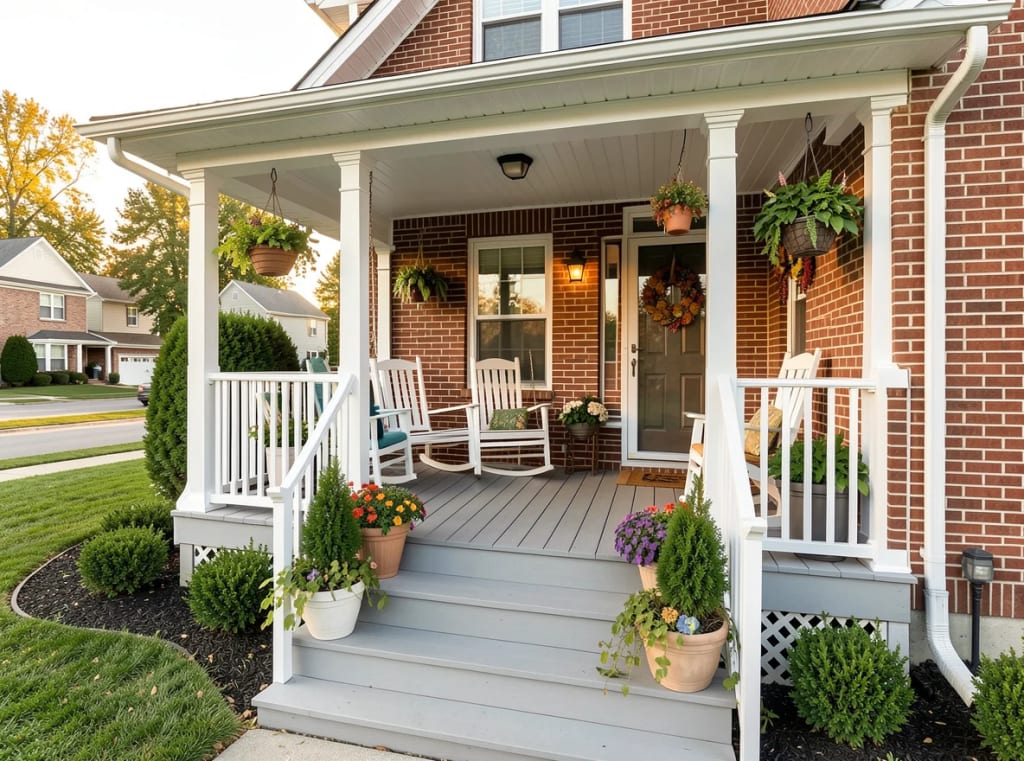
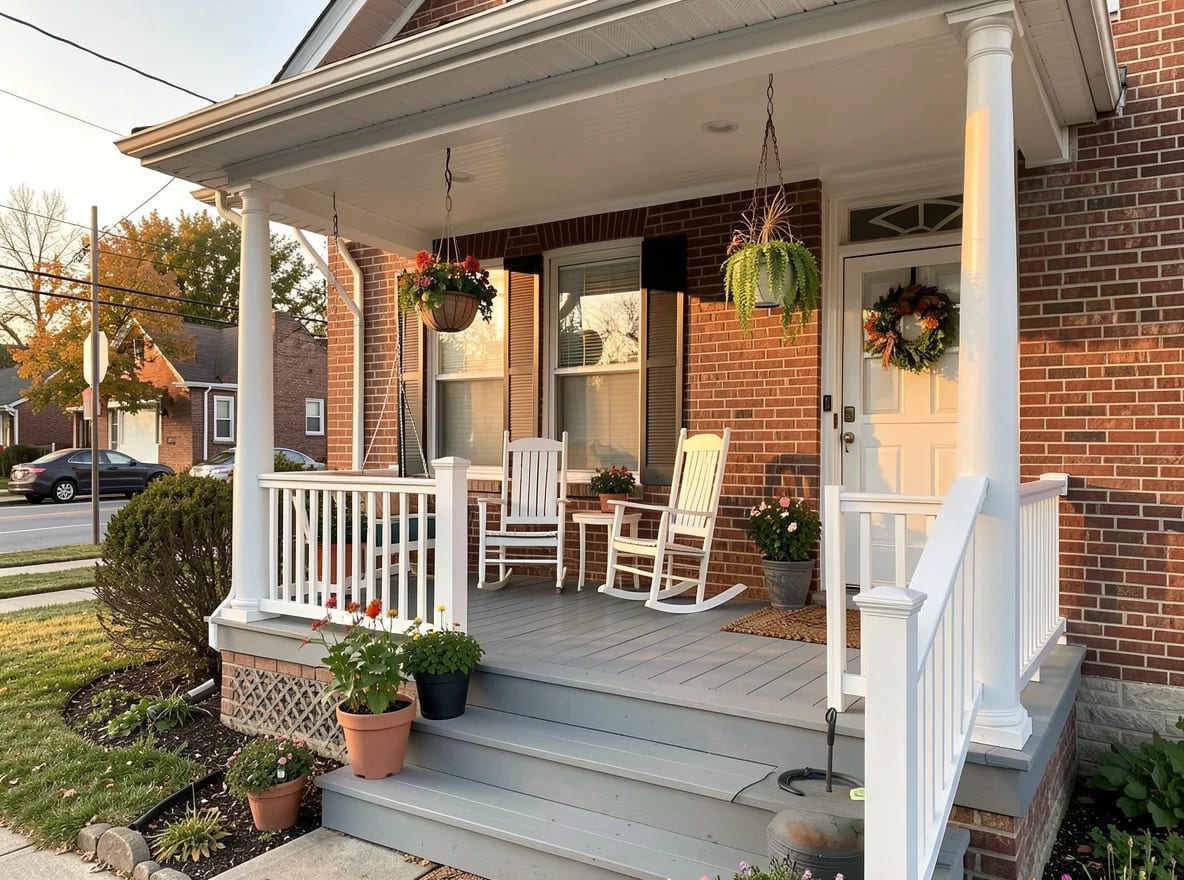
One of the smartest early prep projects is curb appeal work that feels visible, practical, and proportionate to the home. Fresh paint on wood trim, repaired railings, cleaned brick, updated porch lighting, and a tidy lawn can improve buyer confidence without requiring a full renovation. In Detroit's mixed housing stock, these improvements matter because buyers are often comparing homes block by block and looking for signs that a property has been consistently cared for. Tackling these projects before listing helps support pricing strategy, shortens objection lists during tours, and can keep a home from sitting while better-prepared listings capture attention first.
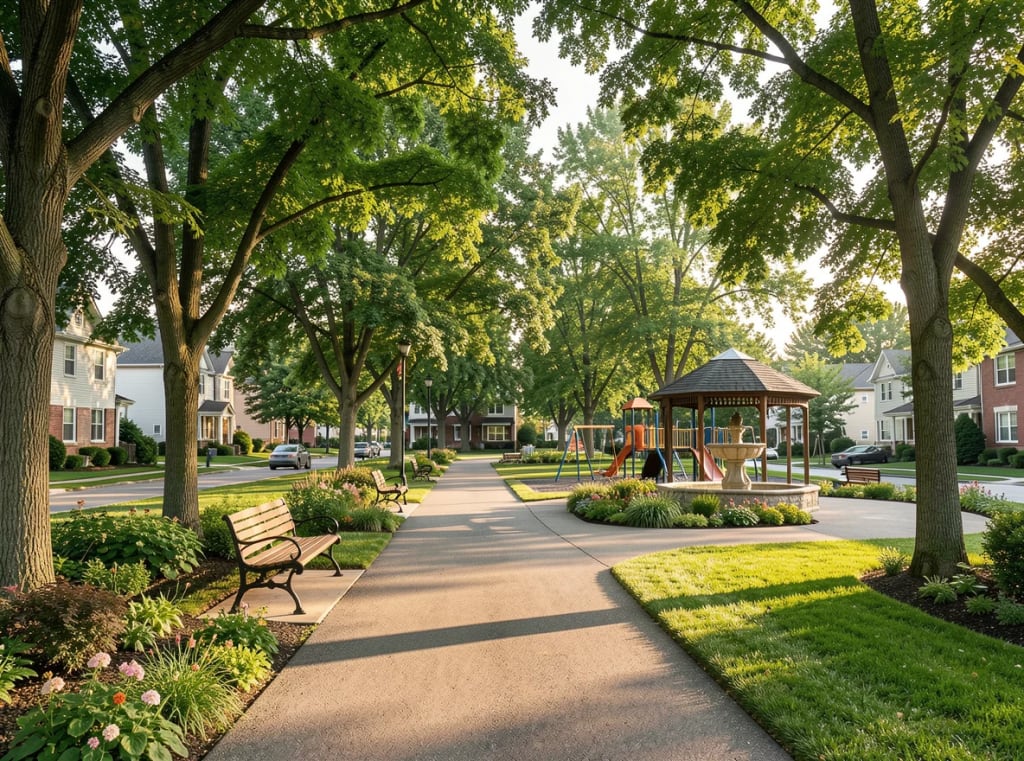
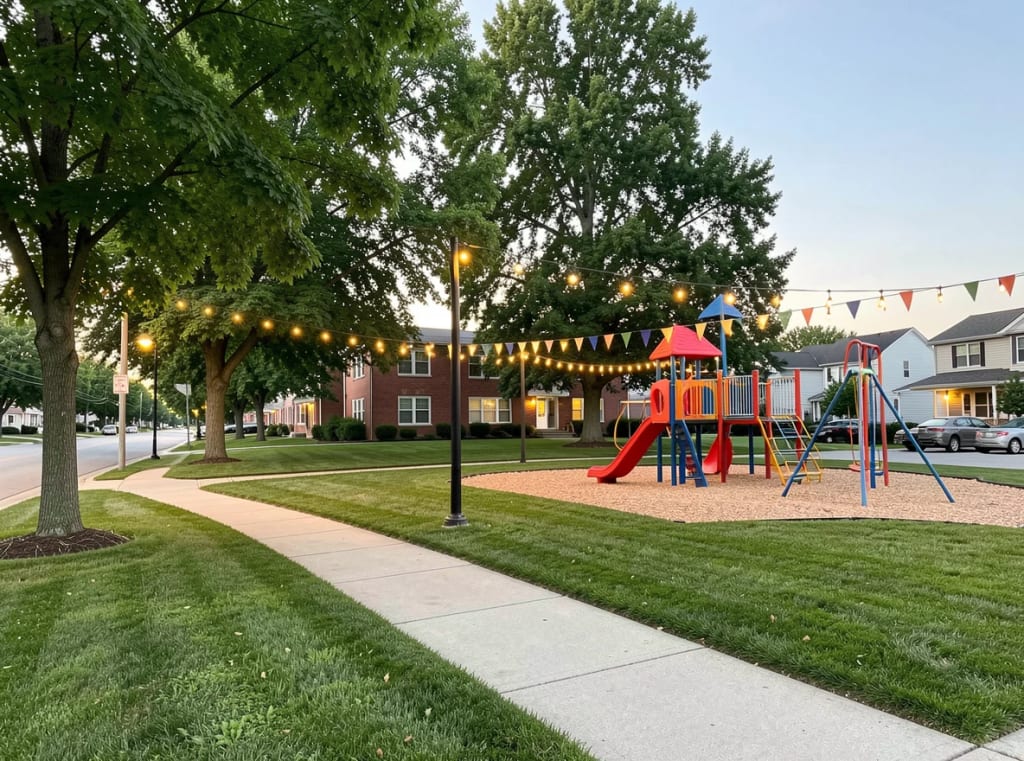
By the time a Detroit buyer pulls up for a showing, they are already reading the block for clues about future maintenance costs and day-to-day livability. That is why family-oriented amenities matter even in a seller-prep conversation. In areas where parks are clean, school campuses look cared for, and recreation spaces feel active, buyers often assume the surrounding housing stock is better supported and easier to live in. For sellers, that means prep work should extend beyond paint colors and staging. A tidy front walk, trimmed shrubs, working exterior lights, and a well-kept porch help your home feel consistent with the neighborhood signals buyers value.
In Detroit and nearby communities, buyers with children also pay attention to practical conveniences such as playground access, youth sports fields, library programs, daycare options, and everyday businesses that simplify routines. When you market your home, highlight those nearby assets alongside the updates you have made. A roof tune-up or furnace service matters more when buyers can also picture a smoother family schedule after move-in.
For Detroit homeowners planning to sell within the next 6 to 12 months, exterior improvements often deliver some of the clearest returns because buyers form opinions before they ever study the mechanicals or pricing sheet. In many Detroit neighborhoods filled with brick bungalows, colonials, and ranch homes, simple outdoor work can signal that the property has been cared for consistently. Trimming overgrown shrubs, repairing cracked walkways, refreshing porch railings, cleaning gutters, and reseeding thin lawn areas all help reduce the sense that bigger deferred maintenance may be waiting inside.
Seasonal timing matters. In spring and summer, buyers notice landscaping, drainage, and roofline presentation immediately. In fall, leaf cleanup, visible grading, and safe front steps become part of the showing experience. Even in winter, a shoveled path, working exterior lights, and a tidy entry can improve confidence. Sellers should also pay attention to Detroit-specific curb appeal details such as front porches, brick chimneys, detached garage doors, and older concrete approaches. These are not flashy upgrades, but they help support stronger pricing strategy by making the home feel move-in ready, better maintained, and less risky from the first showing onward.
By this point, the smartest Detroit sellers stop thinking in vague terms like "we should get the house ready" and start assigning dates. If you plan to list within the next two months, map out the five prep projects in order: exterior cleanup first, then paint and patching, then lighting and hardware updates, then mechanical tune-ups, and finally pricing prep with neighborhood comparisons. In Detroit's mixed housing stock, that sequence matters because buyers notice curb appeal immediately, but they also ask hard questions about furnaces, roofs, plumbing, and electrical systems before they commit.
Keep receipts, contractor notes, and service records in one folder so they are easy to reference during showings and negotiations. If you are in an older brick neighborhood with porches, steps, or detached garages, add a final walk-through focused on safety and deferred maintenance. A clear timeline helps reduce rushed decisions, keeps costs more predictable, and positions the home to hit the market with fewer surprises.
Sign in with your email address
You’re being redirected to the page with listing data.