
Compare Osceola and Saint Clair Shores through six key lifestyle trade-offs, from space and commute patterns to recreation, home styles, upkeep, and seasonal living expectations.

For buyers comparing Osceola and Saint Clair Shores, the decision usually comes down to how daily life feels once the moving boxes are gone. Osceola offers a quieter north-central Michigan setting shaped by forests, inland lakes, farmland, and long winter recreation seasons. Saint Clair Shores presents a different rhythm, with canal-lined neighborhoods, marinas, waterfront parks, and a more connected suburban pattern along Lake St. Clair.
This article breaks down the trade-offs that matter most to remote workers and relocators: how much space you want, what kind of commute or access you need, which recreation habits fit your routine, and how each area's housing stock affects upkeep. We will also look at the practical side of ownership, from seasonal maintenance expectations in rural settings to the appeal of mid-century ranch neighborhoods and boating-oriented living near the water. If you are weighing calm acreage against coastal convenience, these comparisons can help clarify which lifestyle fits best.
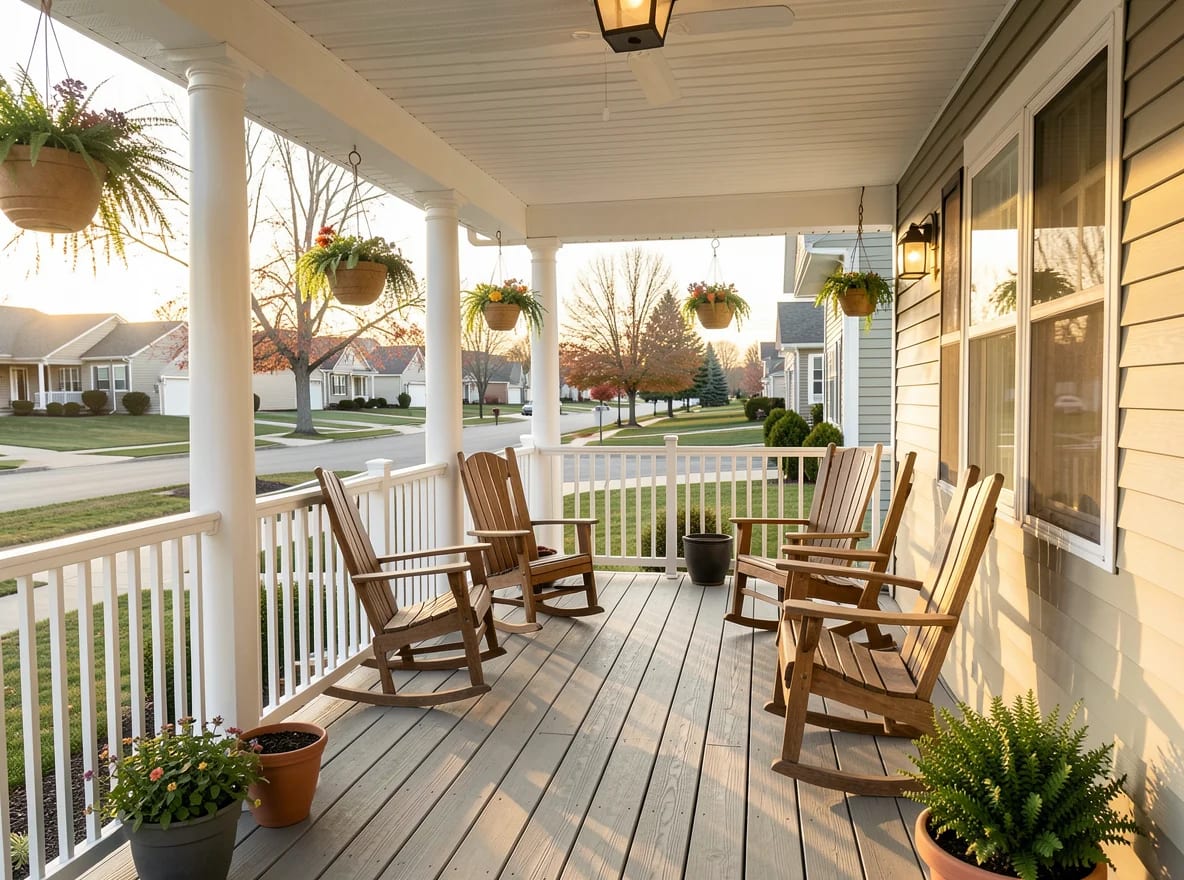
One of the clearest trade-offs between Osceola and Saint Clair Shores is the kind of home you are likely to buy and the upkeep that comes with it. In Osceola, buyers often find traditional farmhouses, modest rural bungalows, cabins, and lake cottages on larger lots. Those properties can offer more privacy, more outbuildings, and more room to spread out, but they also tend to bring more hands-on maintenance. A longer driveway, a larger lawn, wooded edges, and detached garages or barns can all add to seasonal work, especially during snowy winters and wet spring thaws.
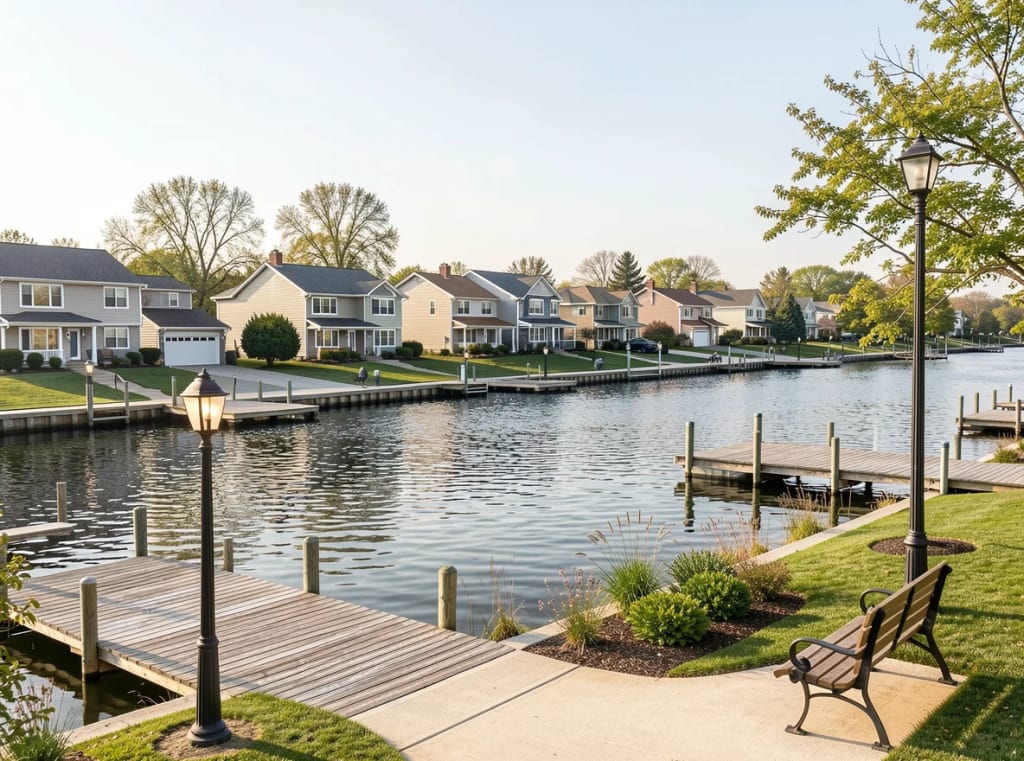
Saint Clair Shores presents a different ownership experience. The housing stock often includes mid-century brick ranches, Cape Cods, bungalows, and suburban colonials on flatter, more compact lots. Many buyers are drawn to attached garages, simpler yard care, and established neighborhood blocks with mature trees. But the lakefront and canal setting can introduce its own responsibilities, including seawall awareness, dock upkeep, and weather exposure near Lake St. Clair. For remote workers and relocators, the practical question is not just which setting looks better, but which maintenance rhythm fits daily life: rural land care in Osceola or waterfront-suburban upkeep in Saint Clair Shores.
One of the clearest differences between Osceola and Saint Clair Shores shows up in the homes themselves. In Osceola, buyers often find simple lake cottages, rural bungalows, farmhouses, and cabins on larger lots, which can mean more exterior maintenance, longer driveways, outbuildings, and seasonal chores tied to snow, trees, and open land. In Saint Clair Shores, the housing stock leans more toward mid-century brick ranches, bungalows, Cape Cods, and canal- or lake-oriented properties, where upkeep may center on older mechanical systems, smaller suburban lots, and, in waterfront areas, seawalls, docks, and drainage.
That difference matters for relocators and remote workers comparing day-to-day ownership. A buyer who wants extra space, privacy, and room for hobbies may prefer Osceola, but should budget time for lawn care, winter access, and property maintenance. A buyer drawn to Saint Clair Shores may trade acreage for easier access to marinas, parks, and neighborhood services, while taking on the responsibilities that come with older suburban homes and waterfront infrastructure.
For buyers weighing Osceola against Saint Clair Shores, market speed can shape both budget strategy and day-to-day expectations. In Saint Clair Shores, demand is typically supported by Lake St. Clair access, canal neighborhoods, marinas, and a more established suburban street grid, so well-kept homes can draw faster attention when they hit the market. Buyers comparing the two areas should expect a more competitive feel in Saint Clair Shores, especially for properties near the water, updated brick ranches, or homes with boating appeal. That often means fewer days to make a decision and less room for prolonged negotiation.
Osceola usually moves at a different rhythm. With its rural setting, wooded parcels, inland lakes, and farmland surroundings, buyers often spend more time evaluating land, outbuildings, road access, and seasonal maintenance needs. Homes may sit longer on the market than comparable suburban options, but that slower pace can give relocators more time to compare trade-offs such as privacy, commute distance, and upkeep. For remote workers, this difference matters: Saint Clair Shores may reward decisiveness, while Osceola may better suit buyers who want space to assess property condition, acreage, and year-round livability before committing.
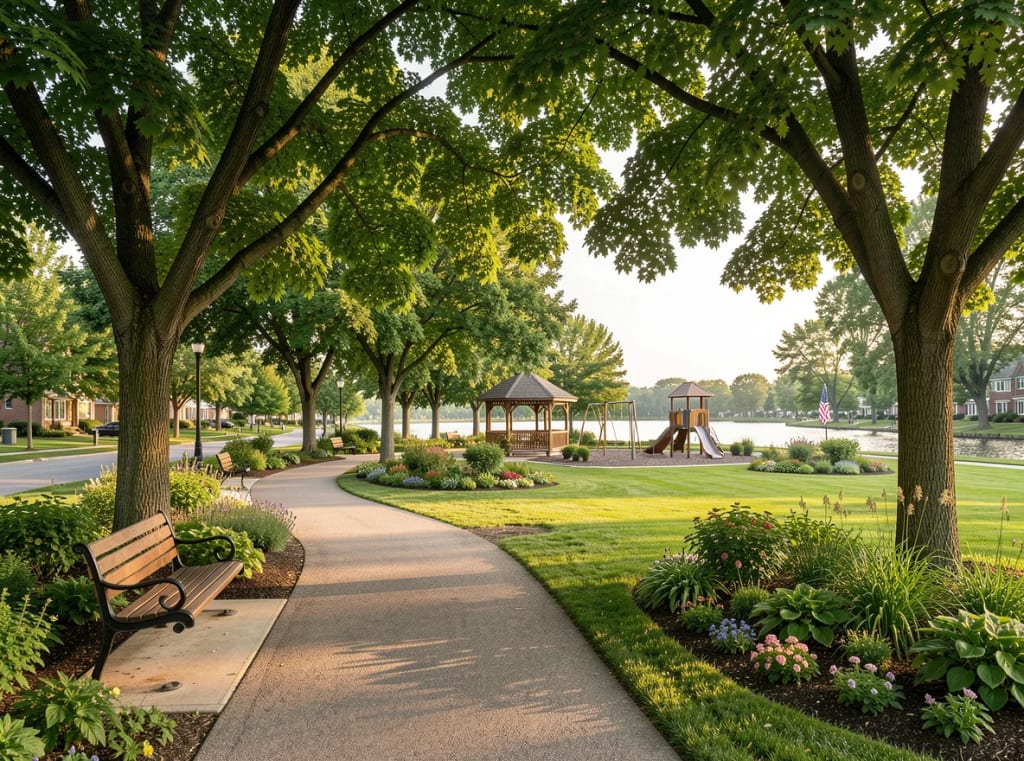
If you are narrowing the choice between Osceola and Saint Clair Shores, the smartest next step is to test each place against your real routine rather than a weekend impression. In Osceola, buyers often trade for wooded lots, quieter roads, and easier access to trails, lakes, and seasonal recreation, but that can also mean longer drives, more property upkeep, and heavier winter logistics. In Saint Clair Shores, the appeal is different: canal neighborhoods, marinas, waterfront parks, and a more connected suburban pattern that can simplify errands and commuting.
Before deciding, map out your weekly schedule, preferred recreation, and tolerance for maintenance. Ask a local expert to compare housing styles, lot sizes, and year-round demands in both markets so you can weigh convenience against space. Timing matters too. Touring in different seasons can reveal how snow, traffic, boating activity, or rural road conditions may shape everyday life after closing.
Sign in with your email address
You’re being redirected to the page with listing data.